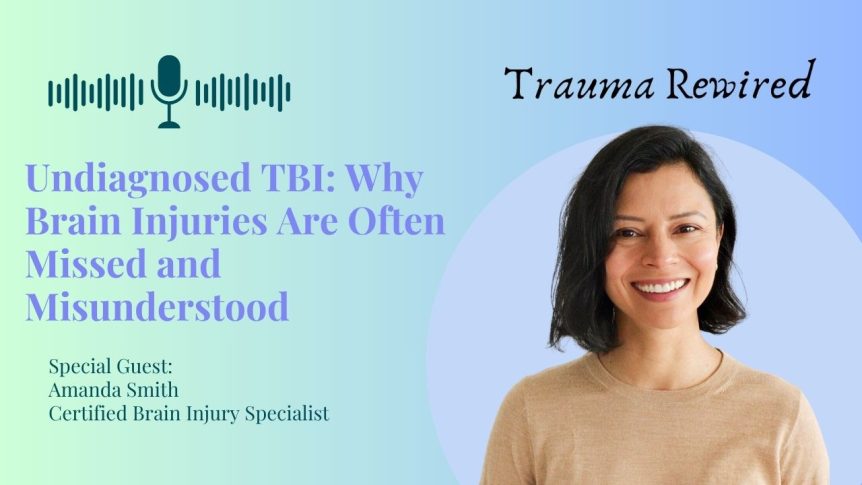
Traumatic brain injuries are incredibly common, yet many mild TBIs and concussions go unrecognized. And when the symptoms of a brain injury overlap with the effects of complex trauma, it can become difficult to understand what is actually driving changes in cognition, emotional regulation, behavior, energy, and capacity. In this episode of Trauma Rewired, Jennifer Wallace and Elisabeth Kristof are …
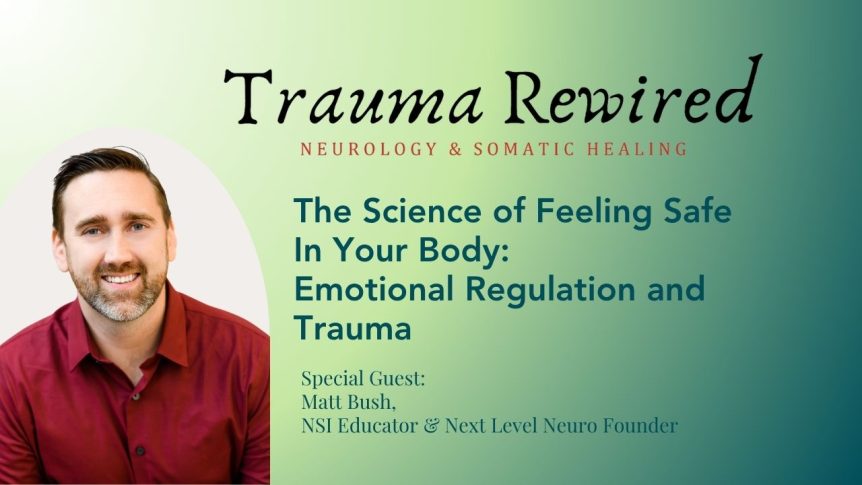
Why do you know you’re safe logically, but your body still reacts as though you’re in danger? Emotional regulation isn’t about staying calm, avoiding difficult emotions, or suppressing how you feel. It’s about your brain and nervous system working together to accurately interpret what’s happening inside and around you so you can respond with flexibility instead of survival. In this …

Most people think boundaries are about saying “no,” protecting themselves, or keeping others at a distance. But from a nervous system perspective, boundaries are something much deeper. They are not walls that separate us from connection—they are the foundation that makes authentic connection possible. In this episode, Jennifer Wallace, Elisabeth Kristof, and returning guest Margy Feldhuhn explore boundaries through the …

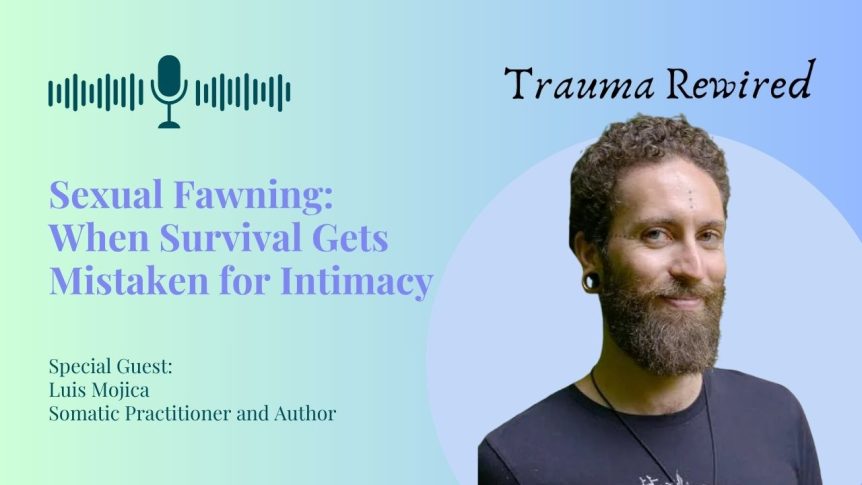
Why do so many trauma survivors say “yes” when every part of their body is saying “no”? In this deeply compassionate episode of Trauma Rewired, Jennifer Wallace and Elisabeth Kristof are joined by somatic educator Luis Mojica to explore one of the least understood trauma adaptations: sexual fawning. While many people recognize fawning as people-pleasing, sexual fawning often remains hidden beneath …

The fawn response is one of the most common—and most misunderstood—trauma adaptations. While many people recognize it as people-pleasing, saying yes too often, or avoiding conflict, fawning is far more than a personality trait. It is a deeply wired survival response designed to preserve attachment, reduce threat, and maintain connection when the nervous system believes belonging is at risk. In …